
If you’re searching for free drawing ideas for kids, you’re probably not hoping for another printable that quietly says, “Do it this way.” What you want is a prompt that makes a little face light up—then your child dives in with scribbles, swirls, and their own brand-new world.
That’s what you’ll find here: open-ended drawing prompts for toddlers and preschoolers (about ages 2–6) that make room for imagination without asking for “perfect.” No templates. No “stay inside the lines.” Just simple ideas you can use at the kitchen table, on the porch, or anywhere you can set down paper.
And if your child hands you a page that looks like a colorful whirlwind? In our house, that still counts. Usually the story behind it is the best part.
What makes a “free drawing” idea actually work for little kids?
I’ve noticed the prompts that work best with little ones tend to have three things in common:
- They leave space for choices. (“A house on another planet” could be a bubble house, a rock house, a floating house…)
- They welcome every skill level. A toddler’s scribbles can be a “thunder dragon” just as easily as a detailed picture can.
- They invite a story. Kids often draw what they’re thinking, not what they see. When the prompt hints at a tiny adventure, the drawing grows.
The tricky part? Many of us adults (me included) can accidentally turn drawing time into a little quiz: “What is it?” “That doesn’t look like a cat.” “Here, let me show you.” If you’ve caught yourself doing that, no shame. The gentle fix is simple: swap judging for curiosity.
Simple questions that keep drawing time open
Try these while your child draws—or right after they proudly hand you the page:
- “Tell me about your picture.”
- “What’s happening here?”
- “Who lives in this place?”
- “What should we name this?”
- “If I stepped into your drawing, what would I hear or smell?”
I love how quickly kids add details when they feel truly seen. One interested question and suddenly there’s a backstory, a villain, a snack break, and a pet lizard with a hat.
Easy setup: materials you likely already have at home
You don’t need a fancy art cart to make drawing time feel special. A few basics go a long way:
- Plain paper (printer paper, scrap paper, paper grocery bags cut open)
- Crayons or washable markers
- Colored pencils (optional—some kids love the control)
- Stickers or tape (for kids who like to “build” on the page)
- A clipboard or cookie sheet (great if you’re drawing on the couch or floor)
One easy upgrade that gets overlooked: give them a bigger drawing space. Tape a few sheets together, flatten a cardboard box, or use the back of wrapping paper. Bigger space often means bigger arm movements, more freedom, and less pressure to “make it right.”
Free drawing ideas for kids: 35 open-ended prompts (no right answers)
Choose one prompt and keep it light. If your child wants to do three in a row, wonderful. If they make one tiny mark and run off to play, that’s fine too. These are invitations, not assignments.
1) Make-believe creatures (where scribbles shine)
- An animal that doesn’t exist yet. What does it eat? Where does it sleep?
- A pet for a giant. Is it tiny and fast, or huge and cuddly?
- A bird with a surprising job. Does it deliver pizza? Collect lost buttons?
- A creature made of weather. A rain-kitten? A snow-bear?
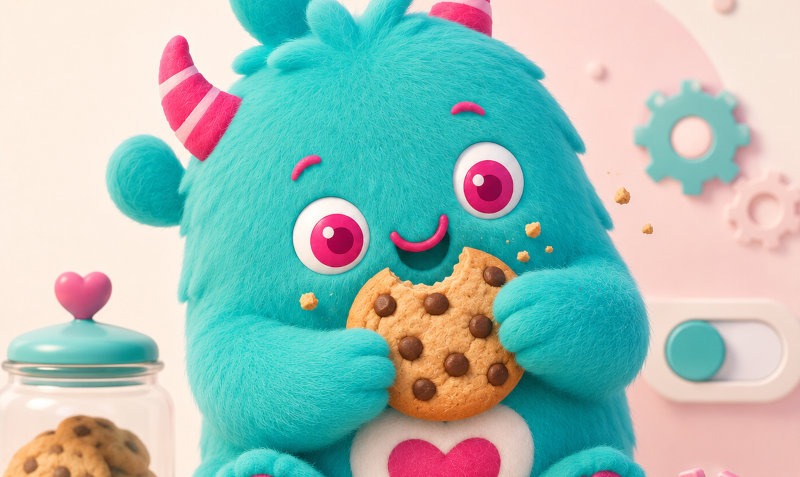
- A friendly monster who’s scared of something silly. Bubbles? Spoons? Shoes?
Ask: “What should we name it?” “How does it move?” “Who is its best friend?”
2) Houses and places (cozy, wild, or both)
- A house on another planet. What do the windows look out onto?
- A home inside something unexpected. Inside a shoe, a tree stump, a watermelon…
- A library for animals. What books do they borrow?
- A playground floating in the sky. How do kids get up there?
- A secret room behind a door in your house. What’s inside?
Ask: “Who lives here?” “What’s the comfiest spot?” “What rules does this place have?”
3) Tiny stories (one page, a whole adventure)
- Draw a map to a hidden treasure. Include silly landmarks (like “The Giggle Bridge”).
- A picnic where something unexpected happens. A squirrel becomes the waiter?
- A day when everything is upside down. Do socks go on hands?
- A parade for a very small hero. A brave ant? A tiny fish?
- A birthday party for the moon. What gift would you bring?
Ask: “What happens first?” “Then what?” “How does the story end?”
4) Feelings, but in a kid-friendly way
- What does happiness look like? Colors, shapes, faces, anything.
- Draw a ‘brave’ costume. What special powers does it have?
- A worry that turned into something else. A worry-balloon? A worry-fish?
- A calm place. Could be real or imaginary.
- A hug in picture form. How would you draw a hug?
Ask: “Where does this feeling live in your body?” “What helps it change?”
5) Nature, seasons, and outdoor wonder
- A garden for an imaginary creature. What plants does it need?
- The silliest tree you can imagine. Does it grow pancakes?
- Clouds that are actually something else. A dragon cloud, a spaghetti cloud…
- A new kind of flower. What is its name and smell?
- Under a rock or inside a puddle. What tiny world is there?
Ask: “What would you hear here?” “Who visits this place?”
6) Everyday life… with a twist
- Your breakfast, but it’s alive. What does it say?
- A robot that helps at home. What does it do all day?
- A backpack that can talk. What secrets does it know?
- A car that runs on something silly. Laughter? Music? Sunshine?
- A new kind of shoe. What does it help you do?
Ask: “How does it work?” “What would you use it for?”
7) Lines, shapes, and “I don’t know what to draw” starters
- Start with one big spiral. Turn it into anything.
- Fill the page with dots. Connect them however you want.
- Draw three shapes and make them a family. What are their names?
- Make a road that goes everywhere. What do you pass on the way?
- Draw with only two colors. What happens when you limit choices?
Ask: “What does that shape want to become?” “Where is it going?”
How to respond when your child says, “I can’t draw”
This can show up earlier than people expect—even with preschoolers. When it happens, I try to remember what it feels like to have a clear picture in your head… and then your hand doesn’t cooperate. Frustration is real, especially for kids who want it to look “beautiful.”
- Try: “You don’t have to make it look real. You’re making it look like your idea.”
- Try: “Let’s start with a silly shape and see what it turns into.”
- Try: “Do you want me to draw a start and you finish it?” (Only if they like teamwork.)
Sometimes the real issue is pressure—especially if someone once praised a “pretty” drawing and now your child thinks every drawing has to be pretty. In our family, the most helpful praise is about effort and choices: “I love how you kept trying,” or “That was a brave color to use,” or “Look at all those lines—you worked hard.”
Two everyday moments that can become drawing magic
1) The kitchen table after snack. You’re wiping crumbs, your child is lingering, and the day has a little quiet pocket. Slide over a sheet of paper and offer one prompt: “Can you draw a sandwich for a dinosaur?” Half the time you’ll get a full menu, a favorite drink, and a serious debate between ketchup and mustard. The drawing is great—but the shared, screen-free moment is the real win.
2) The fridge-gallery moment. Your child runs in waving a page, proud as can be. You hang it up, and later a grandparent visits. Instead of “Look what she drew,” try: “Ask her about the story.” Watching a child explain their picture to someone they love—feeling listened to—can turn a simple scribble into a family memory.
Gentle ways to “extend” a drawing (without taking over)
If your child wants to keep going, here are a few add-ons that stay playful and child-led:
- Add speech bubbles (you can write the words if they dictate)
- Add a background: “Where is this happening?”
- Create a second page: “What happens next?”
- Make it a game: hide three tiny hearts/stars in the drawing
- Turn it into a gift: tape it to a card for a relative
One thing my own mom taught me—just by how she treated art—was that drawings are a kind of communication, not just decoration. When kids feel understood, they often want to draw more. Not because they’re performing, but because they’re connecting.
Quick tips for different ages (2 to 6) without pressure
Ages 2–3: scribbles are the work
- Use big paper and chunky crayons.
- Prompts can be super simple: “Draw a storm,” “Draw fast lines,” “Draw a sleepy shape.”
- Let them name it after it’s done. Naming is storytelling.
Ages 4–5: stories start to appear
- Offer prompts with characters: “A snail going to a party.”
- Ask one question at a time (too many can feel like an interview).
- Celebrate details: “You added a tiny door—that’s such a cool idea.”
Age 6: planning and “rules” can be fun
- Try playful constraints: “Draw a monster using only triangles.”
- Invite sequences: “Make a 3-picture comic.”
- If they compare their art to others, remind them: “Your style is your style.”
A small note for adults: your role is not ‘art teacher’
You don’t have to know how to draw to support your child’s drawing. You just need to be nearby and interested—set out the paper, make a little space, notice, listen. In our house, my wife’s love of crafts means there’s often something creative going on, but the best moments are still the simplest ones: a couple of crayons, a calm corner, and permission to experiment.
If you enjoy drawing too, feel free to draw alongside them—just keep it low-stakes. I’ll sometimes say, “I’m going to make a very silly drawing today,” and it relaxes everyone at the table. Mistakes are allowed. Trying again is normal. That’s where the fun lives.
When you run out of energy: the easiest prompt of all
Some days you’re tired, the house is loud, and you want something simple that still feels connected. Try this:
“Draw something you wish existed.”
That’s it—no extra steps. You’ll get flying beds, invisible umbrellas, candy trees, and “a button that makes my brother stop touching my stuff.” It’s honest, funny, and very kid.
Let the drawing be a doorway
Next time your child shows you a page full of scribbles, pause before you guess what it is. Ask what story is hiding inside it. You might discover a brand-new animal, a faraway planet, or a feeling your child didn’t know how to say out loud—tucked into a few colorful lines on ordinary paper.
And if you end up with a growing stack of drawings on the counter? I try to see that as something good: evidence of a childhood happening right in front of you.