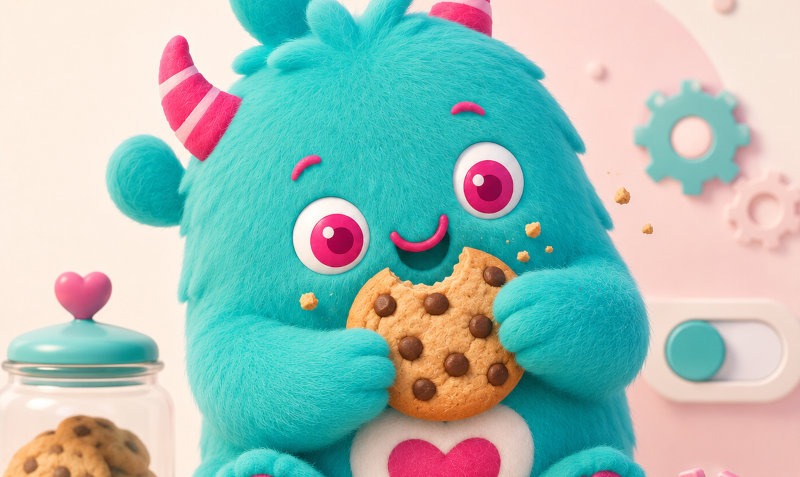

If you’re hoping for a sweet, practical way to create characters with kids, here’s the comforting part: you don’t need “art talent,” a big lesson plan, or a child who can draw perfect circles. You just need a few minutes, a couple simple supplies, and the willingness to follow your child’s wonderfully unpredictable ideas.
This guide walks you through an easy, kid-friendly path—name, looks, powers, personality, home, and adventure—that works especially well with toddlers and preschoolers. It’s meant to keep things light. Scribbles count. Goofy ideas are treasures. And in our family, “That’s not how a dragon looks” doesn’t get invited to the table.
I can still picture those quiet little moments: a kid hunched over the kitchen table, tongue out in concentration, while I try to decode a purple zigzag. That zigzag could be a tail… or a sandwich… or a magic zipper to another planet. The fun is asking and finding out together.
Why creating characters with kids works so well (even with scribbles)
When young kids invent characters, they’re doing more than filling a page. They’re testing ideas, making tiny choices, and building a story without even realizing it: “Does my creature live in a tree or a toaster?” “Is it shy or loud?” “Does it have one eye or ten today?”
What I’ve learned (growing up around art, and now making lots of drawings and crafts as a family) is that the magic shows up when we stop trying to “teach drawing” and start collecting the child’s ideas. Think of yourself as a friendly interviewer—curious, calm, and impressed—more than an art coach.
A small mindset shift that changes everything
Instead of asking: “What is it?” (which can feel like a test), try: “Tell me about your character.”
That one sentence opens a door. And once kids step into story-mode, they usually shine.
What you need (simple, affordable materials)
- Paper (printer paper, recycled mail, a notebook—anything works)
- Crayons or markers (chunky crayons are often easiest for little hands)
- Optional: stickers, tape, safety scissors, glue stick
- Optional: a shoebox or envelope to save “character pages”
One small thing that helps a lot: slip a clipboard or a hard book under the paper. If your child likes to wander and draw on the couch or the floor (very real in our house), it makes everything steadier.
How to create characters with young kids: the 6-step method
You can do all six steps in one sitting, or spread them out over a few days. With toddlers, you might only get a name and one silly power before attention floats away—and honestly, that still counts as a complete win.
Step 1: Start with a name (the fastest way to unlock ideas)
Names are a gift because they’re playful and don’t require careful drawing. Once a character has a name, it starts to feel “real” to a child—and the ideas tend to tumble out after that.
Try prompts like:
- “What’s your character’s name?”
- “Is it a silly name or a serious name?”
- “Does it have a nickname?”
- “If it could choose a name from food… what would it pick?”
Everyday example: Kids often name a character after whatever is right there—“Captain Spoon,” “Princess Laundry,” “Mister Doorbell.” If that happens, lean in. Those silly names are usually the start of the best stories.
Adult helper tip: If your child freezes, offer two choices and a wild card: “Is it called Bobo, Sparkle-Socks, or something totally different?”
Step 2: Choose an appearance (and celebrate ‘wrong’ drawings)
Now you can draw—or scribble. Young kids might make one big shape and proudly announce it’s a dinosaur. That’s not “incorrect.” That’s a child translating an idea with the tools they have.
Ask gentle questions that invite details:
- “What colors does your character like?”
- “Does it have fur, scales, feathers, or spaghetti hair?”
- “How many eyes does it have today?”
- “Does it wear something special?”
If your child is frustrated because the picture doesn’t match what they imagined (that happens a lot), it helps to stay steady and kind. Try saying:
- “I love how you made the legs go all different directions.”
- “That’s a cool shape. Tell me what it does.”
These kinds of comments celebrate choices and imagination, not “being good.” That’s how kids stay brave enough to keep going.
Mini activity: Add one “surprise detail” with eyes closed—one random line, dot, or sticker—then decide what it became. “Oh! That dot is a belly button portal!”
Step 3: Pick powers (keep them funny and specific)
Kids love powers, but they don’t have to be dramatic. The best ones are often oddly specific—like “can turn broccoli into bubbles” or “can help socks find their partner.”
Prompts that work well with preschoolers:
- “What can your character do that others can’t?”
- “Does it have a superpower for helping? A superpower for being silly?”
- “What happens when it gets scared or excited?”
A fun trick: Offer a choice between three power styles:
- Body power: stretchy arms, bouncy belly, rocket feet
- Object power: magic hat, talking backpack, button that freezes time
- Social power: can make anyone laugh, can calm babies, can find lost toys
This is especially helpful for kids who get overwhelmed by open-ended questions.
Step 4: Discover personality (use simple, kid-friendly opposites)
Personality is where your child starts creating a character, not just a creature. But “Describe the personality” is a big ask. Using opposites makes it easier.
Try this game: “Is your character more…”
- shy or brave?
- quiet or loud?
- helpful or mischievous?
- patient or wiggly?
- bossy or easygoing?
Then add: “Why?” Kids’ answers can be hilarious, sweet, and surprisingly thoughtful.
Connection moment: Sometimes a child describes a character that sounds a lot like them. You don’t need to “read into it.” Just stay warm and curious: “Your character sounds like they love cozy corners. Where’s their favorite cozy spot?”
Step 5: Create a home (this is where stories start to grow)
Give the character a place to live. Homes naturally grow stories because they create needs: snacks, friends, rules, worries, surprises, and reasons to go somewhere else.
Home ideas that spark imagination:
- inside a teapot
- under the couch (with a tiny door)
- in a tree with a trampoline ladder
- in a cloud apartment
- in a cardboard box castle
Questions to ask:
- “What does the front door look like?”
- “Who lives nearby?”
- “What does your character eat for breakfast?”
- “What is one rule in this house?”
Everyday example: If you’ve got kids’ art on the fridge (most of us do), try this next time you walk by: “Is this your character’s house? Where’s the bedroom?” You can turn a random drawing into a whole world in two minutes.
Step 6: Plan an adventure (start tiny, like a ‘problem of the day’)
You don’t need an epic plot. For young kids, an adventure can be as small as: “The character lost its hat” or “The character wants to make a friend.”
Use this simple adventure formula:
- Goal: What does the character want?
- Obstacle: What gets in the way?
- Helper: Who or what helps?
- Funny twist: What silly thing happens?
- Ending: How does it feel at the end?
Questions that keep it playful:
- “Uh-oh… what’s the problem today?”
- “What’s the silliest thing that could happen next?”
- “Does your character solve it with powers, with kindness, or with a clever trick?”
- “How does the character celebrate?”
And if your child changes the story halfway through—let it. Little kids often think out loud. The changing story is the creative process, and it’s part of what makes this such a relaxed, screen-free way to be together.
Two easy formats: drawing-first vs. story-first
Different kids lead in different ways. Both approaches are great, and switching formats can refresh the whole activity.
Option A: Drawing-first (great for kids who love crayons)
- Draw the character
- Name it
- Add one power
- Add a home detail
- Tell a 3-sentence adventure
Option B: Story-first (great for kids who talk more than they draw)
- Choose a name
- Act it out (walk like it, make its sound)
- Then draw one detail (even a single line)
- Add a power and a “problem of the day”
- Finish with a picture of the home
Sometimes the drawing comes last, and it still “counts” as real art—because it’s connected to meaning.
What to say (and what to avoid) when kids show their character
We all want to encourage kids. The tricky part is not accidentally turning creativity into a performance. These phrases tend to keep things open and confident.
Helpful things to say
- “Tell me about this part.”
- “What should we name this?”
- “I notice you used a lot of red—what’s happening here?”
- “That’s a bold choice. What made you pick it?”
- “Do you want me to write the story you’re telling?”
Things to skip (even if they’re well meant)
- “What is it supposed to be?” (can sound like a quiz)
- “Wow, you’re going to be an artist!” (can add pressure)
- “Let me fix it.” (can shut a child down fast)
If you want to join in, try a move that doesn’t take over: “Can I draw a friend character next to yours?” In our home, that simple question often turns one drawing into a whole cast.
A printable-style ‘Character Recipe’ you can copy onto paper
If you want a simple guide, jot these prompts on a page (or just say them out loud):
- Name:
- Looks like: (colors, body, special detail)
- Power:
- Personality: (two words)
- Home:
- Adventure today:
For toddlers, you can shrink it down to three lines: Name / Power / Favorite snack. That’s plenty to start a whole little world.
How to handle “I can’t draw” (from kids or adults)
You might hear this from your child—especially after they’ve compared their work to an older sibling. Or you might feel it yourself. (I’ve drawn for years, and I still have days where the picture in my head refuses to come out of the pencil.)
A gentle reframe that helps: “We’re not trying to make it look real. We’re trying to make it look like your idea.”
Low-pressure alternatives to drawing:
- Make the character from playdough
- Use cut paper shapes (circles, triangles) and glue them
- Build a home from blocks, then draw just the character
- Do a sticker character: eye stickers + random stickers become features
And yes—stick figures absolutely count. A lot.
Make it a family connection ritual (without adding more to your plate)
This doesn’t need to become a big “project.” It fits nicely into small pockets of real life, which is one reason I love it as a screen-free family habit.
- After dinner: 10 minutes at the table while someone wipes counters
- Weekend morning: character time before screens
- Grandparent visit: “Let’s make one character together and I’ll take it home”
- Car ride idea: story-first characters using only words (“What’s its name? What’s its power?”)
One of my favorite things is tossing finished drawings into a simple box. Months later, you open it and there’s “Mr. Button Nose” and “Rainbow Turtle Baby,” and suddenly you’re time traveling. Kids light up when they realize you kept their work.
Extra prompts for when you want to go deeper (without getting serious)
If your child is having fun, you can gently widen the character’s world—no pressure, just curiosity.
Friends and relationships
- “Who is your character’s best friend?”
- “Is there someone they argue with?”
- “Who helps when they feel nervous?”
Objects and treasures
- “What does your character keep in their pocket?”
- “What is their most important object?”
- “What would they never share?”
Places and surprises
- “Where would your character go on vacation?”
- “What’s a place they avoid?”
- “What secret room is in their house?”
Notice how none of these are about drawing “better.” They’re about imagining, choosing, and telling stories—skills that naturally show up later in play, problem-solving, and everyday conversations.
If you only remember one thing
When you create characters with kids, you’re not aiming for a polished picture. You’re creating a moment: a child sharing a made-up world, and an adult treating that world like it matters.
Next time your child hands you a page full of scribbles, try asking, “What story is hiding in here?” Then listen like it’s important—because to them, it really is.